
How did I get here? How I became an international development translator: from in-house to freelancer

How I became a specialist translator for the international development sector
As an international development sector specialist, I work with charities, international organisations and non-profits to communicate their vital work across languages and cultures, translating their written materials from French, Spanish and Portuguese into English. My carefully researched and written translations ensure that none of their important messaging falls flat.
Specialising in the international development sector was an intentional choice, shaped by my academic training, in-house experience, and deep commitment to working with organisations making a positive global impact.
If you're wondering whether I'm the right partner to translate your grant applications, evaluation reports or white papers into English, or you're curious about how I became a specialist in this field, here's my story.
To paraphrase that Talking Heads song, ‘How did I get here?’
An intentional path
I’m immensely grateful to have discovered translation as a career. My path towards becoming a translator for charities, NGOs and non-profits was an intentional one. It all started with A-levels in French and Spanish back in the 1990s. When it was time to choose my A-levels, those two languages seemed a natural choice that suited my interests and strengths. It wasn’t only about being multilingual – I was starting to think more about my future study and subsequent career. I loved the fact that studying languages opened up doors for me. I learned so much about other cultures and histories, and this gave me a fresh perspective on the world. I cherished that. After researching the right university, I definitely made the right choice. I had a fantastic four years at Cardiff University/Prifysgol Caerdydd, studying for my BA in French and Spanish. Translation assignments were an integral part of my degree course, and it was at Cardiff that I received some of my most valuable intercultural communication tuition as a fledgling translator.
In-country immersion: where language learning became real
In 2001, I went to live in Nantes, France, and then Barcelona, Spain. I studied at universities there and experienced the countries’ language and culture up close. This was when things really took off and I finally felt confident in speaking my second languages to a high level. Ever curious, while in Barcelona I couldn’t resist taking a part-time course in Catalan. This year was also when I fell hook, line and sinker for France and Spain. More than 20 years later, I have returned to both countries most years.
Upping my game: becoming a highly skilled linguist
It was at Cardiff that I first learned about translation as a profession. There was something about it that appealed to my word nerdery. But four years at university weren’t enough! I was incredibly eager to learn more about translation theory and practice, and about linguistics in general. So I applied to study for a Master’s degree in Translation and Linguistics at the University of Westminster, where I could refine my translation skills and work on more complex translations.
At Westminster, I also began learning Portuguese as a cognate language of Spanish. I loved Portuguese immediately and found that, with my knowledge of Spanish, Catalan and French, I could soon read it with relative ease and took additional evening classes to improve my speaking and listening skills.
How I specialised in international development translation
For my MA dissertation, I translated a 15,000-word report about women’s rights in Nicaragua from Spanish into English, with an extended linguistic commentary. I did this in coordination with the charity Womankind Worldwide, for whom I was also working at the time, translating NGO reports and communications. This project helped the organisation amplify the voices of communities working for social change, showing the power of intercultural communication through translation – how the right words in English could make a big impact. This was how I discovered my niche in NGO translation.
In-house translation experience
I was lucky that, living in London, there were some in-house translator positions. Someone pointed out an advert for translators at Interpol’s bureau in London, so in 2004 I applied, got an interview, passed the entrance test and got the job.
In those first few years in-house, I was able to access training and real-world experience that I wouldn’t otherwise have gained. My work at Interpol was naturally more focused on legal translation. But it also introduced me to how international organisations function and interact, and how language barriers impact justice. As part of my job, I had to ensure accuracy under pressure; something that I knew would position me perfectly for freelance translation deadlines.
Making the leap to freelancing
I soon realised I wanted to start my own translation business. The security of my translation day job allowed me the space to spend my evenings honing some crucial business skills and building my network. I also brushed up my English grammar proficiency through a Teaching English to Speakers of Other Languages (TESOL) certificate at intensive evening classes and worked as a teacher of English as a second language for a time. After six months of combining English teaching with my part-time translation business, I went full-time in freelance translation.
Where I want to be: a freelance translator for purpose-driven clients doing good things
Setting up my own business in 2008 was one of the scariest, most exhilarating things I’ve ever done. I’ll never forget how that first week felt. Nearly 15 years later, my work days are varied and almost always fascinating and fulfilling. All thanks to translation. Who could ask for more?
Translating for NGOs, charities and non-profits involves handling grant jargon, safeguarding terms, and donor style rules. When you need a professional translator to communicate reports, programme evaluations, policy briefs or donor communications accurately in English, and with cultural intelligence, you need someone who can align terminology with glossaries and adapt tone for funders and field teams, not just switch words between languages. International development translation requires an eye for detail and an aptitude for the rhythm and flow of writing.
As a French, Spanish and Portuguese to English translator, I bring all that linguistic expertise, but also clarity, excellent grammar and punctuation, cultural sensitivity and deep subject-matter knowledge of the development sector. Every step I’ve taken – from academic study to in-house experience to nearly 20 years of freelancing – has shaped me into the translator I am today.
* * * * * * *
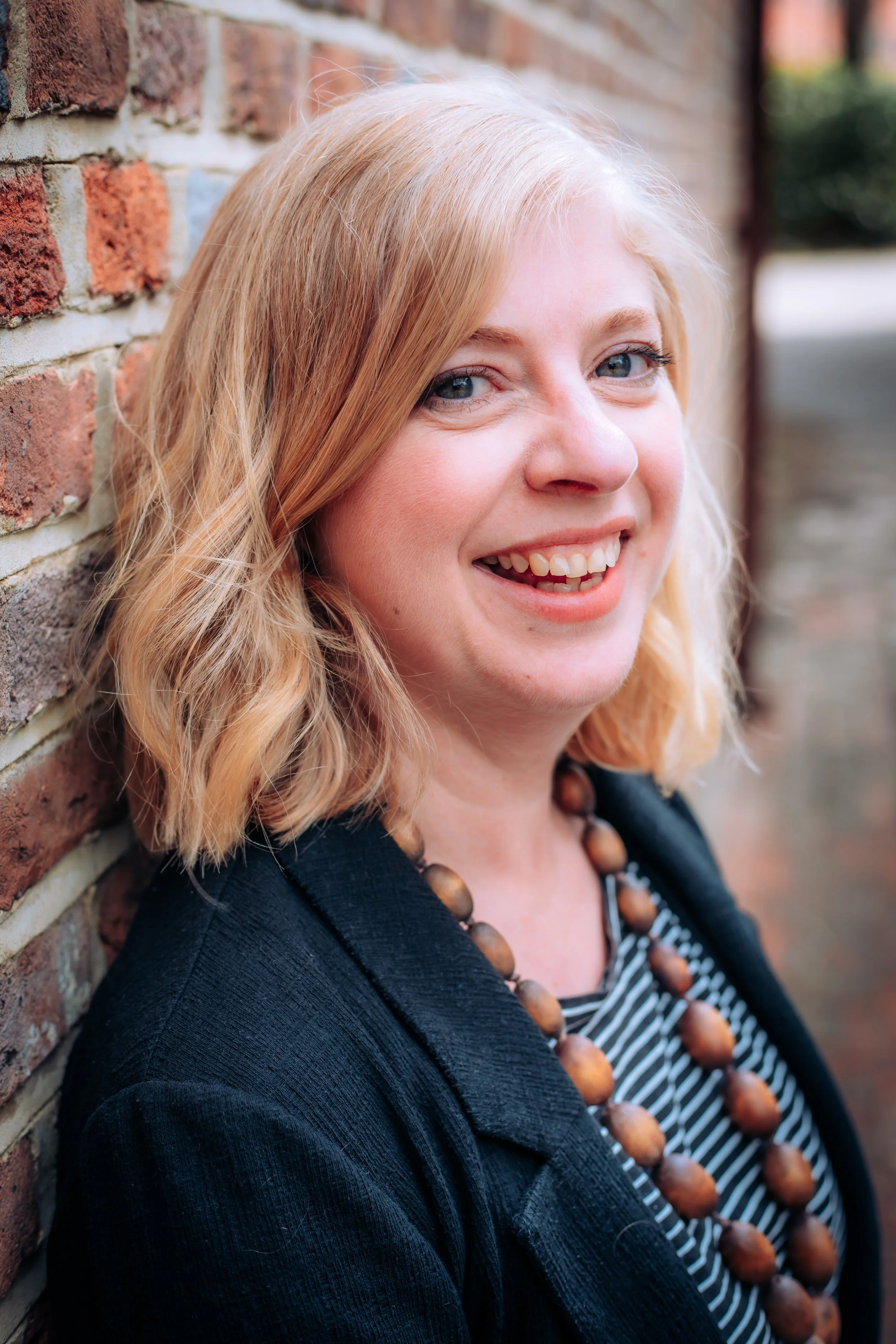
About Philippa
I take Spanish, French and Portuguese (and English!) content and transform it into snappy, fresh and 100% engaging English copy.
Want pithy English that gets straight to the point, while maintaining the ethos and impact of its original language? My clients rely on me for a genuine 1:1 working relationship, as a translation specialist who truly cares about your reputation. I think we could work well together, don’t you?